Discover Itanagar: Where Heritage Meets Adventure
Experience the captivating blend of ancient history, tribal traditions, and natural splendor
Nestled in the foothills of the mighty Himalayas, Itanagar stands as a testament to the rich cultural tapestry and natural magnificence that defines Arunachal Pradesh, often referred to as the "Land of the Rising Sun." As the vibrant capital city of India's easternmost state, Itanagar offers travelers an extraordinary journey through time, culture, and landscapes that remain largely unexplored by mainstream tourism. This hidden gem of Northeast India beckons adventure seekers, history enthusiasts, and culture lovers to experience its unique charm and pristine beauty.
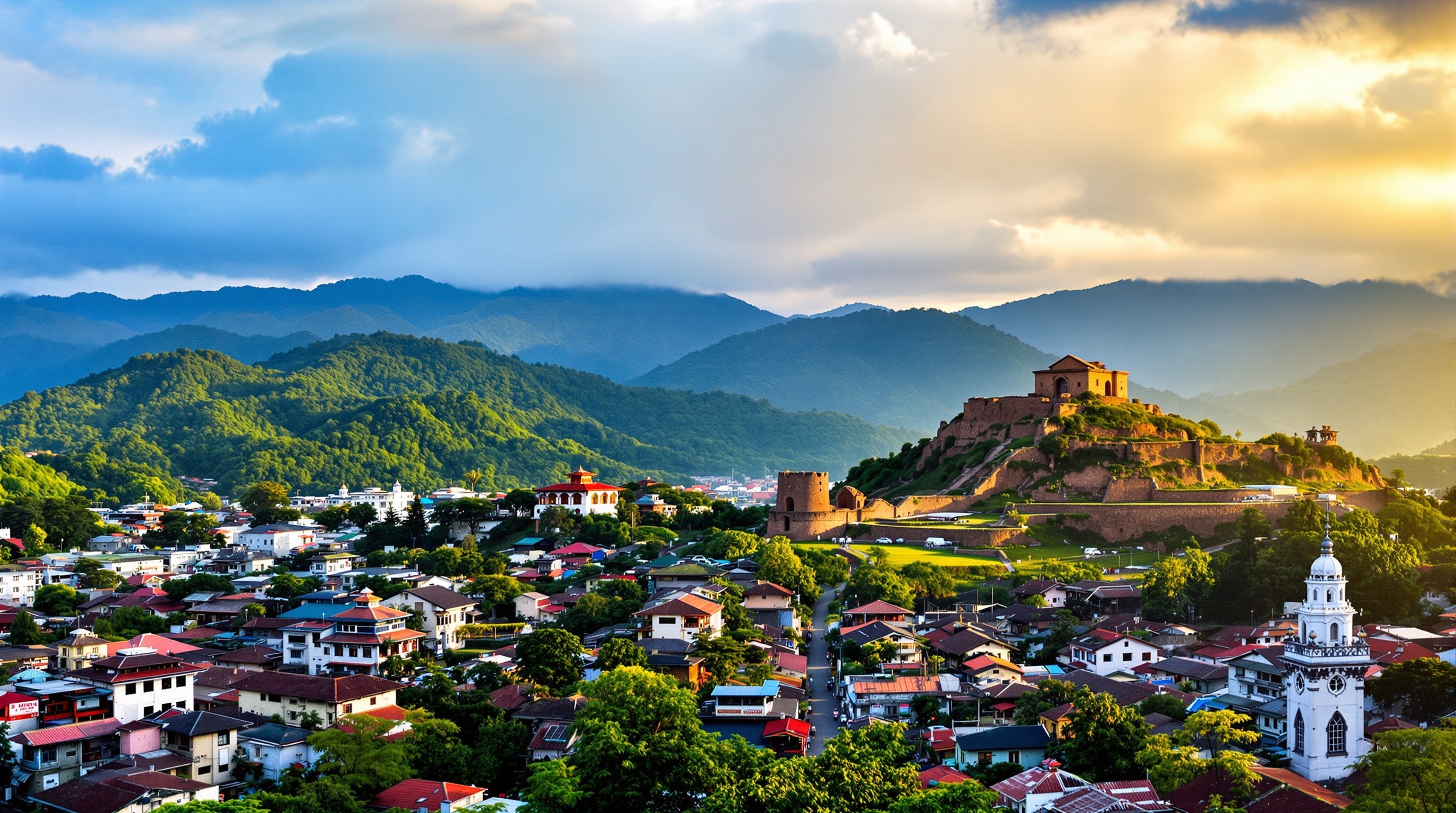
The name "Itanagar" itself carries historical significance, derived from "Ita Fort" - an ancient fortification built with lakhs of bricks dating back to the 14th-15th century. The fort's ruins stand proudly as sentinels of a bygone era, reminding visitors of the region's illustrious past. Today, Itanagar seamlessly blends its historical heritage with modern development, creating a fascinating destination where traditional tribal customs coexist harmoniously with contemporary urban life.
Situated at an elevation of approximately 350 meters above sea level, Itanagar enjoys a pleasant subtropical climate that makes it an ideal year-round destination. The city is blessed with abundant rainfall, lush greenery, and a diverse ecosystem that supports rich biodiversity. The surrounding landscape features rolling hills, dense forests, and pristine rivers, offering countless opportunities for nature lovers and adventure enthusiasts to explore and immerse themselves in the region's natural splendor.
A Glimpse into History and Heritage
The history of Itanagar is deeply intertwined with the broader narrative of Arunachal Pradesh and the indigenous tribal communities that have called this region home for millennia. Archaeological evidence suggests that the area around Itanagar has been inhabited since ancient times, with the Ita Fort serving as the most prominent historical landmark. Built during the reign of the Chutiya kings, this massive brick fortress once served as a strategic defense structure and administrative center.
The fort's construction demonstrates remarkable engineering prowess, with walls built using millions of bricks held together by a unique mortar mixture that has withstood the test of time. The irregular shape of the fort, with its three main entrances facing east, west, and south, reflects the architectural sensibilities of medieval Assamese fortifications. Walking through the fort's ruins today offers visitors a tangible connection to the region's storied past and the civilizations that once flourished here.
Beyond the fort, Itanagar's heritage is preserved and celebrated in its numerous cultural institutions, including the Jawaharlal Nehru State Museum, which houses an impressive collection of tribal artifacts, textiles, weapons, ornaments, and musical instruments. These collections provide invaluable insights into the diverse tribal cultures that characterize Arunachal Pradesh, including the Nyishi, Adi, Apatani, Galo, and Monpa communities, each with their distinct traditions, languages, and customs.
The city's modern history is equally significant, as Itanagar was officially declared the capital of Arunachal Pradesh in 1974, when the region was elevated from a union territory to a full-fledged state. Since then, the city has witnessed rapid development and urbanization while maintaining its cultural roots and environmental consciousness. Government buildings, educational institutions, and infrastructure projects have transformed Itanagar into a well-connected modern capital without sacrificing its natural beauty and cultural heritage.
The Natural Paradise of Itanagar
One of Itanagar's most compelling attributes is its extraordinary natural environment. The city is surrounded by verdant hills covered with subtropical and tropical forests that host an incredible variety of flora and fauna. The region's biodiversity is among the richest in India, with numerous endemic species of plants, birds, mammals, and insects calling these forests home. For nature enthusiasts and wildlife photographers, the areas around Itanagar offer unparalleled opportunities to observe and document rare species in their natural habitats.
The Ganga Lake, also known as Gyakar Sinyi, is one of Itanagar's most beloved natural attractions. This serene lake, surrounded by lush forests and hills, offers a peaceful retreat from urban life. Visitors can enjoy boating on the calm waters, picnicking along the shores, or simply soaking in the tranquil atmosphere. The lake also features an orchidarium and a small garden showcasing the region's diverse orchid species, which Arunachal Pradesh is particularly famous for, being home to over 600 orchid species.
The Indira Gandhi Park, a sprawling recreational area in the heart of the city, provides another green oasis for residents and visitors alike. This well-maintained park features children's play areas, walking trails, and beautifully landscaped gardens. It serves as a popular gathering spot for families and a venue for cultural events and festivals. The park's elevated position offers panoramic views of the surrounding cityscape and hills, making it an ideal spot for photography and relaxation.
For trekking enthusiasts and adventure seekers, the hills surrounding Itanagar offer numerous trails ranging from easy walks to challenging climbs. These trails wind through dense forests, past waterfalls, and across streams, rewarding hikers with stunning vistas and close encounters with nature. The region's relatively underdeveloped tourism infrastructure means that many of these trails remain pristine and uncrowded, offering authentic wilderness experiences that are increasingly rare in other parts of India.
Why Visit Itanagar?
Itanagar offers a unique travel experience that combines historical exploration, cultural immersion, natural beauty, and adventure. Unlike overcrowded tourist destinations, Itanagar retains an authentic character where visitors can genuinely connect with local communities, experience traditional lifestyles, and discover landscapes that remain largely untouched by mass tourism. Whether you're seeking spiritual enlightenment at ancient Buddhist monasteries, adrenaline-pumping adventure activities, or simply peaceful communion with nature, Itanagar delivers experiences that create lasting memories.
Cultural Diversity and Tribal Heritage
Arunachal Pradesh is home to 26 major tribes and over 100 sub-tribes, each with unique traditions, languages, festivals, and cultural practices. Itanagar serves as a melting pot where these diverse cultures converge and coexist. The city's population reflects this diversity, with people from various tribal backgrounds living and working together while maintaining their distinct cultural identities. This multicultural environment creates a fascinating social tapestry that visitors can observe and appreciate.
The Nyishi tribe, the largest indigenous community in Arunachal Pradesh, has a significant presence in and around Itanagar. Traditional Nyishi culture is characterized by distinctive customs, including the iconic hornbill feather worn by men as a status symbol, intricate bamboo and cane craftwork, and unique agricultural practices. Visitors interested in anthropology and indigenous cultures will find countless opportunities to learn about and engage with these traditions through cultural centers, festivals, and community interactions.
Traditional festivals form an integral part of Itanagar's cultural calendar, offering visitors glimpses into the rich ceremonial life of the region's tribal communities. The Nyokum festival, celebrated by the Nyishi tribe in February, marks the beginning of agricultural activities and features elaborate rituals, traditional dances, and communal feasting. Similarly, the Dree festival of the Apatani tribe, Solung of the Adi tribe, and Losar of the Monpa community bring color, music, and celebration to the region throughout the year.
The handicraft traditions of Itanagar and surrounding areas represent centuries of artistic expertise passed down through generations. Visitors can explore local markets and craft centers to discover exquisite handwoven textiles, bamboo and cane products, traditional weapons, tribal jewelry, and wood carvings. These crafts not only serve as beautiful souvenirs but also support local artisans and help preserve traditional art forms that face the challenge of modernization and changing lifestyles.
Best Time to Visit
October to April offers the most pleasant weather with clear skies and comfortable temperatures, perfect for sightseeing and outdoor activities. The monsoon season (June to September) brings heavy rainfall but showcases the landscape in its most verdant glory.
How to Reach
Itanagar is well-connected by road to major cities in Northeast India. The nearest railway station is Naharlagun (10 km away), and the closest airport is Lilabari Airport in North Lakhimpur, Assam (67 km away). Regular bus services operate from Guwahati and other neighboring cities.
Inner Line Permit
Indian citizens from other states require an Inner Line Permit (ILP) to enter Arunachal Pradesh. Foreign nationals need Protected Area Permits (PAP). These can be obtained online or from designated government offices, making the process convenient and straightforward.
Spiritual and Religious Significance
Itanagar and its surrounding areas are home to numerous Buddhist monasteries and Hindu temples that serve as spiritual centers and architectural marvels. The region's religious landscape reflects the syncretic nature of faith in Northeast India, where Buddhism, Hinduism, and indigenous animistic beliefs coexist and often intermingle. These sacred sites offer not only spiritual solace but also stunning architectural beauty and cultural insights.
The Buddhist Temple in Itanagar, a prominent landmark, showcases traditional Buddhist architecture with its striking golden roof and intricate artwork. The temple complex provides a peaceful atmosphere for meditation and prayer while offering visitors the opportunity to observe Buddhist rituals and practices. The serene ambiance, combined with panoramic views of the surrounding landscape, makes it a must-visit destination for spiritual seekers and architecture enthusiasts alike.
The Malinithan archaeological site, located approximately 125 kilometers from Itanagar, represents one of the most important Hindu pilgrimage sites in Arunachal Pradesh. Dating back to the 11th-12th century AD, this temple complex dedicated to Goddess Durga features beautiful stone carvings and sculptures that exemplify the artistic achievements of medieval Assamese craftsmanship. The site's archaeological significance and spiritual importance attract historians, archaeologists, and devotees from across the region.
Local animistic traditions, deeply rooted in reverence for nature and ancestral spirits, continue to play a significant role in the spiritual life of many indigenous communities. Sacred groves, ancient trees, and specific natural landmarks are protected and venerated as dwelling places of spirits and deities. These beliefs have contributed significantly to environmental conservation, as communities maintain strict prohibitions against harming these sacred natural sites.
Modern Itanagar: A Growing Urban Center
While deeply rooted in tradition and history, modern Itanagar is a growing urban center that offers all the amenities and conveniences expected of a state capital. The city boasts good infrastructure, including well-maintained roads, reliable telecommunications, quality healthcare facilities, and educational institutions ranging from primary schools to universities. This development has been carefully balanced with environmental conservation efforts, ensuring that urbanization doesn't come at the cost of the region's natural beauty.
The food scene in Itanagar reflects its cultural diversity, offering everything from traditional tribal cuisines to Indian, Chinese, and international dishes. Local specialties include bamboo shoot preparations, smoked meat dishes, thukpa (noodle soup), momos (dumplings), and various rice-based delicacies. Adventurous food lovers can explore local markets and eateries to discover unique flavors and cooking techniques that have been perfected over generations.
Shopping in Itanagar ranges from modern markets and shopping complexes to traditional bazaars where local artisans sell their handicrafts directly to consumers. The Ganga Market and other local markets offer excellent opportunities to purchase authentic tribal handicrafts, textiles, bamboo products, and local food items. These markets also serve as cultural hubs where various communities interact, making them fascinating places for people-watching and cultural observation.
Educational and research institutions in Itanagar, including Rajiv Gandhi University, contribute to the city's intellectual vibrancy and progressive outlook. These institutions conduct important research on regional biodiversity, tribal cultures, linguistics, and sustainable development, making Itanagar not just a tourist destination but also a center of academic excellence and innovation in Northeast India.
Sustainable Tourism and Conservation Efforts
As tourism gradually increases in Itanagar and Arunachal Pradesh, there's a growing awareness of the need for sustainable and responsible tourism practices. Local communities, government agencies, and tourism operators are working together to ensure that tourism development benefits local people while protecting the region's fragile ecosystems and cultural heritage. Initiatives include promoting homestays that provide authentic cultural experiences while supporting local families, developing eco-friendly tourism infrastructure, and implementing waste management systems.
Conservation efforts in and around Itanagar focus on protecting the region's rich biodiversity and forest resources. Several wildlife sanctuaries and protected areas near the city provide safe habitats for endangered species including clouded leopards, red pandas, various primate species, and hundreds of bird species. Eco-tourism initiatives encourage visitors to appreciate wildlife and nature while contributing to conservation efforts through responsible tourism practices and park entrance fees that fund protection programs.
Community-based tourism programs are emerging as a sustainable model that benefits both visitors and local communities. These programs allow travelers to stay in traditional villages, participate in daily activities, learn traditional crafts, and gain authentic insights into tribal lifestyles. This approach not only preserves cultural traditions by making them economically valuable but also empowers local communities to become custodians of their own heritage and environment.
Practical Information for Travelers
Planning a trip to Itanagar requires some preparation, particularly regarding permits and travel arrangements. Indian citizens need to apply for an Inner Line Permit (ILP), which can be obtained online through the official Arunachal Pradesh government website or from designated offices in major cities. The process is straightforward and permits are typically issued quickly. Foreign nationals require Protected Area Permits (PAP), which involve a slightly more complex process and may require planning in advance.
Accommodation options in Itanagar range from budget guesthouses to comfortable hotels, with several government-run properties offering good value for money. Homestays are increasingly available, providing opportunities to experience local hospitality and culture firsthand. It's advisable to book accommodations in advance, especially during peak tourist season or during major festivals when the city experiences an influx of visitors.
Transportation within the city primarily relies on taxis, auto-rickshaws, and local buses. Hiring a private vehicle with a driver is often the most convenient option for exploring attractions in and around Itanagar, as it provides flexibility and comfort. The city's relatively compact size makes it easy to navigate, and most major attractions are within a short drive from the city center.
Health and safety considerations for visiting Itanagar include carrying necessary medications, as medical facilities, while adequate for basic needs, may be limited compared to major metropolitan areas. Travel insurance is recommended. The city is generally safe for tourists, but as with any destination, normal precautions should be observed. Respecting local customs, seeking permission before photographing people or religious sites, and being environmentally conscious will ensure a positive experience for both visitors and host communities.
Beyond Itanagar: Exploring the Wider Region
While Itanagar itself offers numerous attractions, the city also serves as an excellent base for exploring the wider wonders of Arunachal Pradesh. Day trips and extended tours can take visitors to spectacular destinations including Tawang, home to India's largest Buddhist monastery; Ziro Valley, famous for its Apatani tribal culture and stunning paddy fields; Bomdila, with its apple orchards and Buddhist monasteries; and Pasighat, offering river rafting adventures on the mighty Siang River.
The Pakke Wildlife Sanctuary, located about 65 kilometers from Itanagar, provides exceptional opportunities for wildlife enthusiasts and birdwatchers. This Project Tiger reserve is home to diverse wildlife including hornbills, tigers, leopards, and elephants. The sanctuary's community-based eco-tourism program has won international recognition for its innovative approach to conservation and sustainable development.
Adventure tourism opportunities abound in the regions surrounding Itanagar, with activities ranging from trekking and mountain biking to river rafting and angling. The diverse topography and pristine natural environments make Arunachal Pradesh an adventure playground for those seeking off-the-beaten-path experiences. Tour operators in Itanagar can arrange customized adventure packages suited to various skill levels and interests.
Conclusion: An Invitation to Discover
Itanagar represents more than just a travel destination; it's an invitation to discover a different facet of India, one that remains relatively unknown to the mainstream tourism circuit. This hidden gem offers travelers the rare opportunity to experience authentic cultural encounters, pristine natural environments, and historical treasures without the crowds and commercialization that characterize many popular tourist destinations. The warmth and hospitality of the local people, combined with the region's natural beauty and cultural richness, create an experience that lingers long after the journey ends.
As India's tourism landscape continues to evolve, Itanagar stands at an exciting juncture where increased accessibility and awareness are bringing more visitors while efforts to maintain authenticity and sustainability remain strong. Now is an ideal time to visit, before mass tourism potentially changes the character of this special place. Those who venture to Itanagar today will find themselves among a privileged few who have experienced one of India's best-kept secrets.
Whether you're drawn by the allure of ancient forts and Buddhist monasteries, the richness of tribal cultures and traditions, the thrill of exploring pristine wilderness, or simply the desire to experience something genuinely different, Itanagar welcomes you with open arms. Come discover the heart of Arunachal Pradesh, where every moment brings new wonders, every interaction offers insights, and every experience enriches the soul. Your adventure in the Land of the Rising Sun awaits.